


Senior Walker
Add a review FollowOverview
-
Founded Date Nisan 9, 1945
-
Sectors Automotive Jobs
-
Posted Jobs 0
-
Viewed 47

Company Description
12 Facts About Senior Walker To Make You Take A Look At Other People
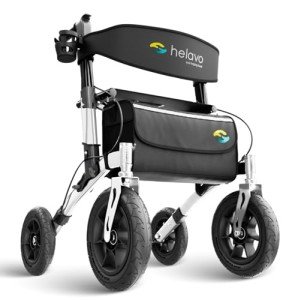
A Comprehensive Guide to Medical Walkers: Enhancing Mobility and Independence
In the realm of health care, mobility plays a crucial role in rehab and overall well-being, especially for seniors and those recuperating from injuries. Among the myriad of mobility help available today, medical walkers stand out as flexible tools that facilitate movement and enhance self-reliance. This post will explore the types, advantages, considerations, and FAQs regarding medical walkers.
What is a Medical Walker?
A medical walker, often described as a walking frame, is an encouraging gadget created to help people with mobility challenges walk with higher stability and ease. Walkers offer a broader base of support compared to walking sticks and crutches, making them perfect for those with balance issues or restricted strength.
Kinds Of Medical Walkers
| Type | Description | Features |
|---|---|---|
| Standard Walker | A basic four-legged frame without wheels, used mainly for stability. | Lightweight, durable, adjustable height, ideal for indoor and outdoor use. |
| Wheeled Walker (Rollator) | A walker with wheels on the front legs, permitting much easier motion. | Equipped with hand brakes, a seat for resting, and storage options. |
| Hemi Walker | A walker designed for individuals who can use one arm and require support. | Lightweight and compact, features a curved manage for simpler gripping. |
| Bariatric Non-Slip Walker | Created for larger individuals, providing increased weight capacity and stability. | Improved sturdiness, broader frame, and encouraging features for much heavier users. |
| Knee Walker | A distinct alternative for those with leg injuries, enabling them to rest the knee. | A platform to support the injured leg, steering abilities, and brakes. |
Benefits of Using a Medical Walker
- Enhanced Stability: Walkers supply extra points of contact with the ground, resulting in a more stable walking experience.
- Increased Independence: Users can browse their environment without requiring assistance, boosting self-confidence and self-reliance.
- Improved Safety: The threat of falls is substantially decreased, as walkers offer support to those with balance concerns.
- Versatile Usage: Many walkers are created for both indoor and outdoor usage, adapting to numerous terrains.
- Assistance throughout Rehabilitation: Medical walkers are important during recovery from surgical treatments, injuries, or illnesses.
Factors to consider When Choosing a Medical Walker
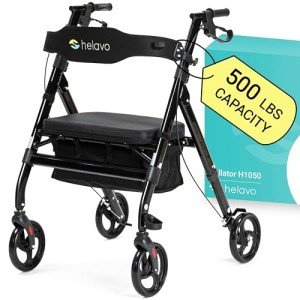
When choosing a medical walker, various aspects ought to be born in mind:
| Consideration | Description |
|---|---|
| User’s Condition | Evaluate the person’s strength, coordination, and particular requirements. |
| Equipment Weight | Ensure the Top Performance Walker is lightweight enough for easy handling but tough enough for support. |
| Adjustable Height | The walker needs to be adjustable to fit the user’s height for optimum comfort and functionality. |
| Hand Grip Comfort | Examine that the grips are comfortable to hold for extended periods. |
| Weight Capacity | Ensure the walker can support the user’s weight, particularly for bariatric walkers. |
| Storage Needs | Identify if extra features like baskets or trays are required for bring items. |
Regularly Asked Questions (FAQs)
-
How do I figure out if I require a walker?If you experience difficulty in keeping balance, feel unstable walking, or need assistance on flat surface areas or inclines, it’s advisable to seek advice from a health care specialist for an assessment. Can I utilize a walker outdoors?Yes, specially created
-
walkers with bigger wheels(wheeled walkers or rollators)appropriate for outdoor usage and can manage numerous terrains successfully. How do I preserve my Elderly Walker?Regularly check the walker for loose parts, guarantee wheels are lubricated if
-
relevant, and clean it as required. Speak with
the manufacturer’s guidelines for specific upkeep directions. Are walkers covered by insurance?Many insurance plans deal protection for walkers, however it is important to inspect with your company to comprehend your particular policy -
information. Can a walker aid with physical therapy?Yes, using
a walker can support rehabilitation efforts by supplying stability during workouts recommended by physiotherapists. Medical walkers are invaluable tools that not -
just facilitate motion and self-reliance however likewise substantially improve the quality of life for individuals facing mobility difficulties. With numerous types available, selecting the right walker is
essential to fulfilling individual needs. The journey to gaining back mobility can be daunting, however with the best equipment and support, people can conquer barriers and recover their self-reliance. By comprehending the types of walkers, their benefits, and necessary factors to consider, users can make educated options– causing a safer, more confident method of moving through life. Whether it’s a rollator for outdoor experiences or an easy walker for indoor navigation, the right walker can open doors to newfound flexibility and improvement in life.

