


Hnycareershub
Add a review FollowOverview
-
Founded Date Aralık 10, 1948
-
Sectors Construction / Facilities
-
Posted Jobs 0
-
Viewed 48

Company Description
NHS: The Family They Never Had
Among the organized chaos of medical professionals in Birmingham, a young man named James Stokes navigates his daily responsibilities with subtle confidence. His oxford shoes whisper against the floor as he acknowledges colleagues—some by name, others with the universal currency of a “hello there.”
James wears his NHS lanyard not merely as an employee badge but as a testament of inclusion. It hangs against a pressed shirt that offers no clue of the difficult path that led him to this place.

What distinguishes James from many of his colleagues is not obvious to the casual observer. His presence discloses nothing of the fact that he was among the first beneficiaries of the NHS Universal Family Programme—an initiative designed specifically for young people who have experienced life in local authority care.
“It felt like the NHS was putting its arm around me,” James reflects, his voice controlled but carrying undertones of feeling. His observation encapsulates the heart of a programme that seeks to revolutionize how the vast healthcare system views care leavers—those often overlooked young people aged 16-25 who have emerged from the care system.
The figures reveal a challenging reality. Care leavers frequently encounter greater psychological challenges, money troubles, accommodation difficulties, and diminished educational achievements compared to their peers. Behind these clinical numbers are personal narratives of young people who have traversed a system that, despite best intentions, regularly misses the mark in offering the supportive foundation that molds most young lives.
The NHS Universal Family Programme, initiated in January 2023 following NHS England’s commitment to the Care Leaver Covenant, embodies a significant change in institutional thinking. At its core, it accepts that the entire state and civil society should function as a “communal support system” for those who haven’t experienced the stability of a conventional home.
Ten pathfinder integrated care boards across England have blazed the trail, creating structures that reimagine how the NHS—one of Europe’s largest employers—can create pathways to care leavers.
The Programme is detailed in its methodology, initiating with comprehensive audits of existing procedures, forming governance structures, and securing leadership support. It understands that meaningful participation requires more than good intentions—it demands concrete steps.
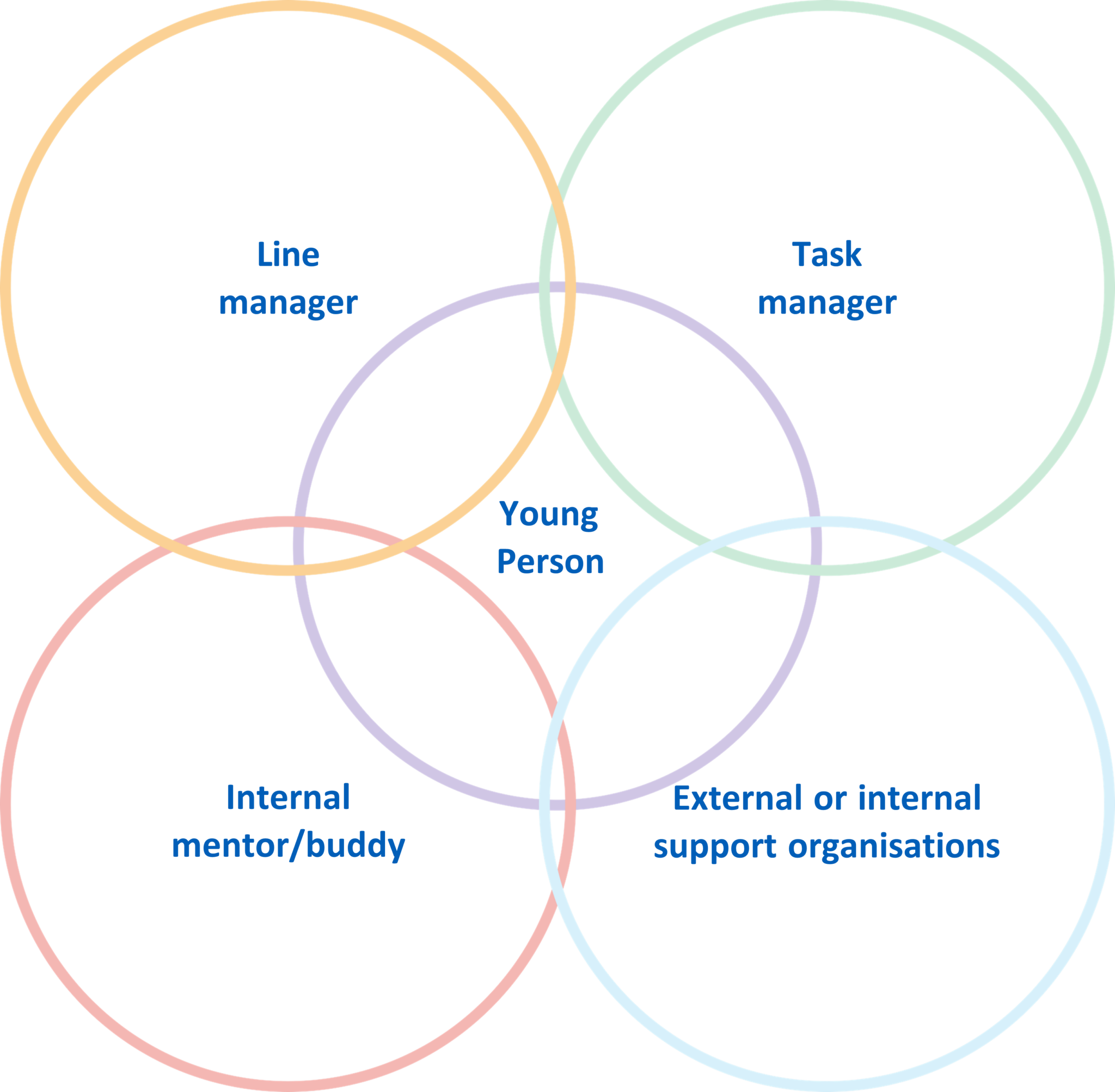
In NHS Birmingham and Solihull ICB, where James began his journey, they’ve created a reliable information exchange with representatives who can deliver help and direction on wellbeing, HR matters, recruitment, and EDI initiatives.
The traditional NHS recruitment process—structured and potentially intimidating—has been intentionally adjusted. Job advertisements now highlight attitudinal traits rather than extensive qualifications. Application procedures have been redesigned to accommodate the particular difficulties care leavers might experience—from lacking professional references to struggling with internet access.
Maybe most importantly, the Programme understands that starting a job can pose particular problems for care leavers who may be managing independent living without the support of familial aid. Concerns like commuting fees, proper ID, and financial services—assumed basic by many—can become significant barriers.
The elegance of the Programme lies in its thorough planning—from clarifying salary details to helping with commuting costs until that crucial first payday. Even apparently small matters like coffee breaks and workplace conduct are carefully explained.
For James, whose professional path has “revolutionized” his life, the Programme offered more than work. It offered him a perception of inclusion—that elusive quality that emerges when someone feels valued not despite their past but because their distinct perspective enriches the organization.
“Working for the NHS isn’t just about doctors and nurses,” James notes, his gaze showing the modest fulfillment of someone who has secured his position. “It’s about a family of different jobs and roles, a group of people who truly matter.”
The NHS Universal Family Programme represents more than an employment initiative. It functions as a bold declaration that institutions can change to include those who have known different challenges. In doing so, they not only change personal trajectories but enrich themselves through the unique perspectives that care leavers provide.
As James moves through the hospital, his participation subtly proves that with the right assistance, care leavers can thrive in environments once thought inaccessible. The embrace that the NHS has extended through this Programme represents not charity but recognition of untapped potential and the profound truth that everyone deserves a family that supports their growth.

